SPEAK CONNECTION

About Speak Connection

We’re all born fluent in the language of connection.

Some of us grow up immersed in it, like a child learning their mother tongue simply by being surrounded by attuned relationships. These early environments help us speak the “language” of belonging with ease…we don’t learn it by rules; we live it by feel.

But not everyone starts there. Some of us grow up in homes where connection is inconsistent, or unsafe. Others begin fluent, but lose touch over time, like a once-familiar language fading from disuse. Trauma, loneliness, or life’s disruptions can strip away that fluency, leaving us hesitating, unsure, and reserved.
And yet, the longing to connect remains.

Speak Connection believes connection — like language — can be relearned.

It might feel awkward at first. You may need to rebuild your vocabulary of trust, stumble over the grammar of vulnerability, or speak with an “accent” shaped by your story.

That’s okay… that’s human.
Because connection isn’t about sounding perfect.
It’s about finding your voice again, even if it trembles.
It’s about expressing yourself, even if you’ve forgotten how.
It’s about rediscovering how to belong…in your own way.

At Speak Connection, we rediscover humanity’s native language , so we may better connect with ourselves, with others, and with life.

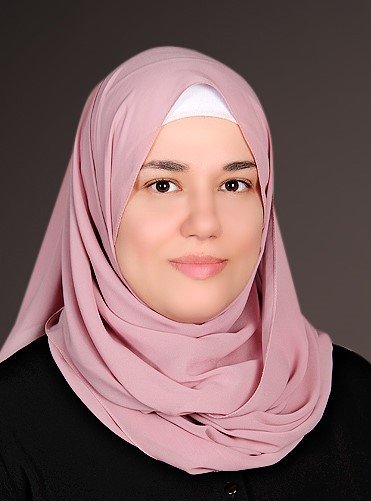
Meet the Founder

Shima Husen

  • B.SC (Hons), MSc. Psychology, University of Bolton
  • MSc. Organizational Behavior, Concordia University

Hi, I’m Shima, and I specialize in social connection. My work aims to bridge the space between emotional isolation and authentic belonging.

With intensive research on chronic loneliness and the science of connection, as well as my own lived experience of disconnection, I’ve spent years walking beside people from all walks of life, as they navigate transitions, emotional fatigue, cultural displacement, and the quiet pain of feeling alone in a connected world.

I’ve also worked with community organizations, and educational institutions to design and deliver trainings and awareness programs that foster psychological safety and inclusive environments.

My approach is collaborative and practical. Through bilingual (English/Arabic), trauma-informed, and culturally sensitive support, I create a space that is structured yet spacious, where small shifts often lead to meaningful transformation in connection, self-trust, and relational confidence.