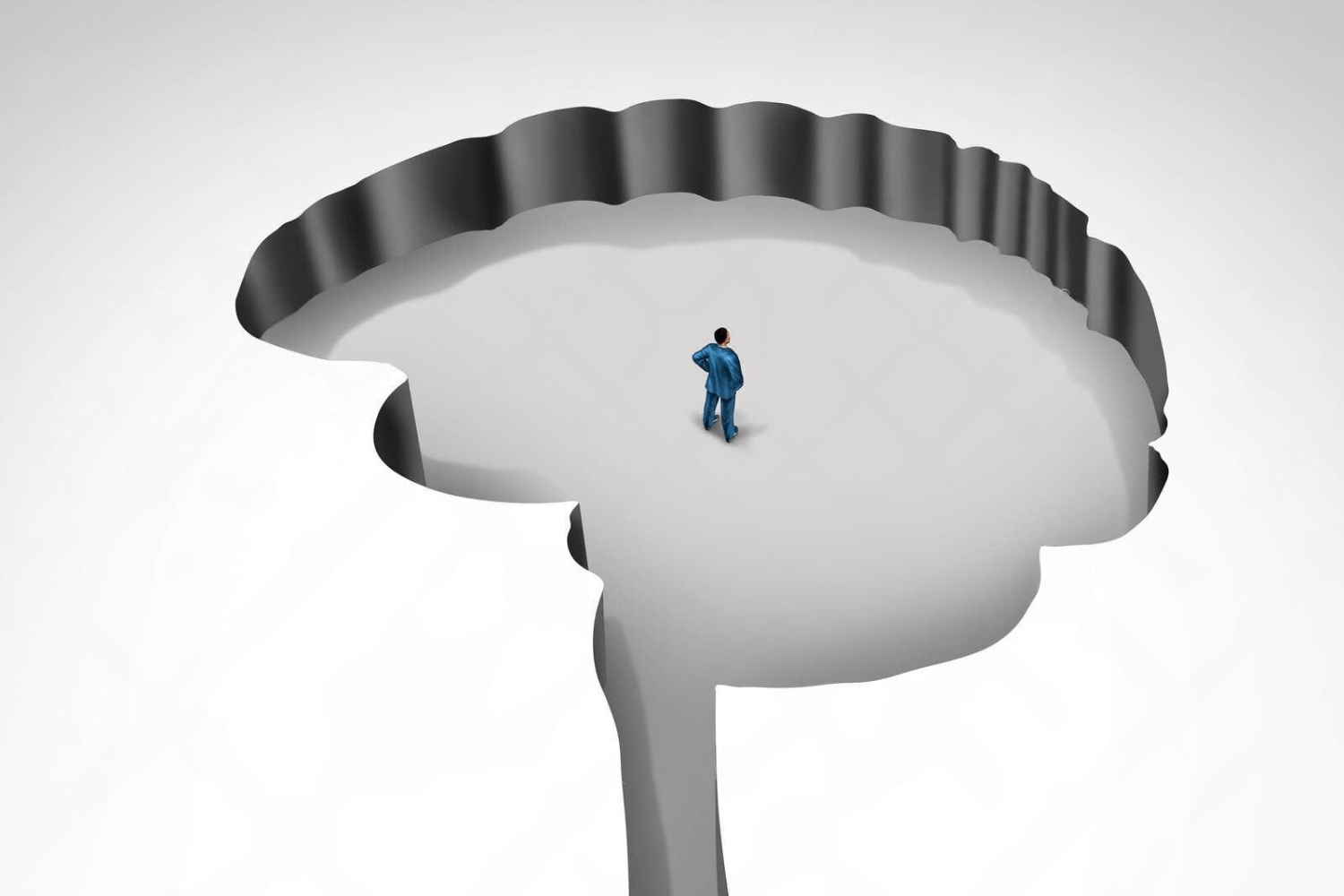
Loneliness is the silent epidemic of our time. It isn’t just a feeling, it’s one of the most pressing public health challenges of the 21st century.
Despite living in a hyper-connected world, more than 36% of adults globally report feeling lonely. For many, this isn’t a fleeting moment of disconnection, it’s a chronic emotional state that quietly shapes their well-being, relationships, and sense of identity.
I specialize in chronic loneliness, not as a pathology, but as a deeply human experience; understanding how it forms, how it persists, and most importantly, how it can begin to shift.

Chronic loneliness isn’t the same as being alone. You might be surrounded by people — and still feel emotionally miles away. It’s a persistent sense of disconnection that can leave even the most capable, high-functioning individuals feeling out of touch with life.
You might be experiencing chronic loneliness if you:
What makes chronic loneliness particularly difficult is that it becomes self-sustaining: the very symptoms it causes — withdrawal, shame, exhaustion — often prevent the connection needed to break the cycle.
Being intellectually advanced can sometimes mean you struggle to find people who match your depth of thought. Many describe feeling “socially out of sync”, wrestling with existential loneliness and an internalized sense of being “too much” or “not enough.”
ADHD, autism, dyslexia, and other differences don’t cause loneliness…invalidation does. When the world doesn’t accommodate differences, it becomes harder to access authentic connection. Many neurodivergent individuals report feeling chronically “othered” even in familiar spaces.
Anxiety and depression can quietly release emotional ties. They often create a fog that makes reaching out feel overwhelming, or even impossible. Even when you long for connection, these states can convince you that you’re a burden, unwanted, or fundamentally misunderstood, keeping you stuck in isolation.
Success is often isolating. The more visible you become, the harder it can be to form intimate, authentic bonds. Leadership often requires emotional containment, decision-making alone, and projecting strength, which can leave your inner world unseen and unsupported.
Studies show more than half of CEOs report loneliness, with 61% believing this feeling hinders their performance.
Trauma can rewire the nervous system for protection rather than connection. This can result in withdrawal, numbness, or difficulty trusting, even when you want closeness. In this context, loneliness becomes a protective strategy, not a personal failure.
Moving countries, retiring, becoming a parent, grieving a loss, these milestones often come with identity shifts that disorient us. Even joyful events can leave people quietly disconnected. When everything changes, connection often needs to be rebuilt from the inside out.
That’s why taking it seriously isn’t optional. It’s essential.
WhatsApp us